The Shukti Chakravarti Lab
Cell-Extracellular matrix (ECM) biology Lab
What we study
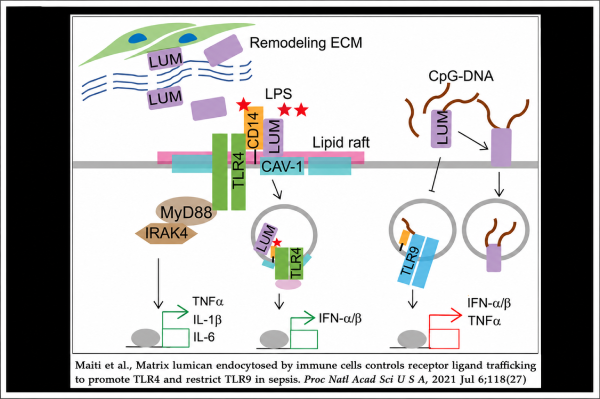
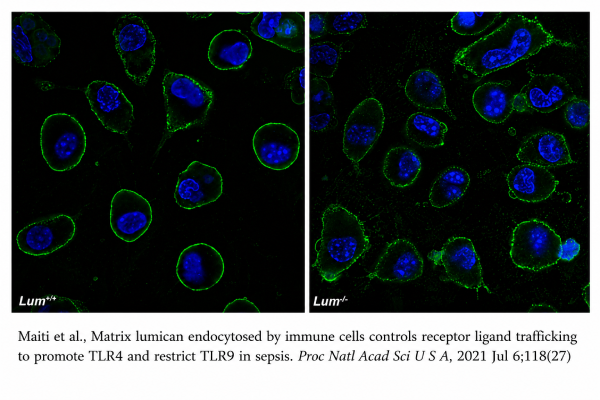
- ECM communications with immune cells in infection and inflammation
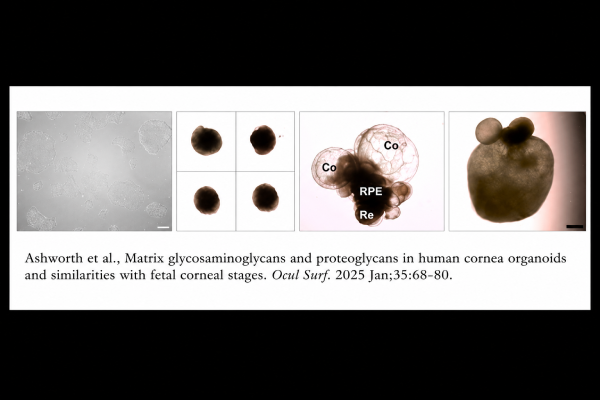
- Cells and the ECM of the cornea, a refractive and transparent layer of the eye essential for vision
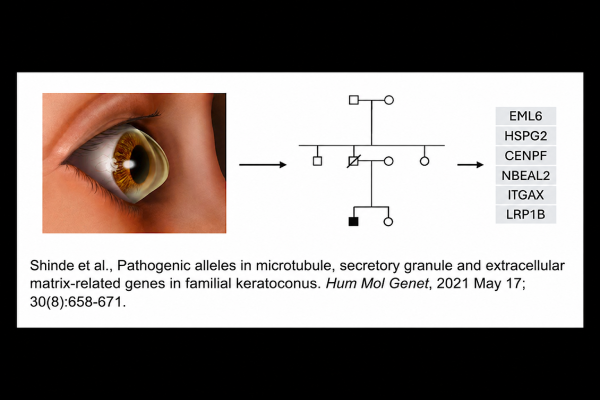
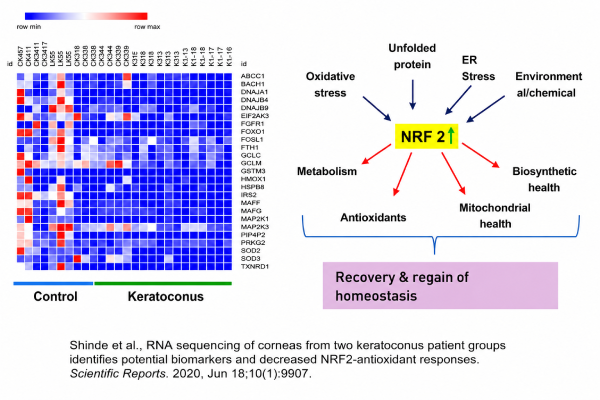
- Keratoconus, where ECM loss and cell death weakens the cornea and disrupts vision
We study how the extracellular matrix (ECM) supports tissue structure and controls cell behavior in both health and disease. The ECM is a spatially organized network of collagens, proteoglycans, and glycoproteins that tightly controls cellular behavior. The ECM changes its composition and architecture to adapt to tissue needs. During active remodeling, through coordinated degradation and de novo synthesis, ECM components become more accessible to cells and provide instructive signals that guide repair and regeneration. Our goal is to define how disruptions in these cell–ECM interactions contribute to pathogenesis.